

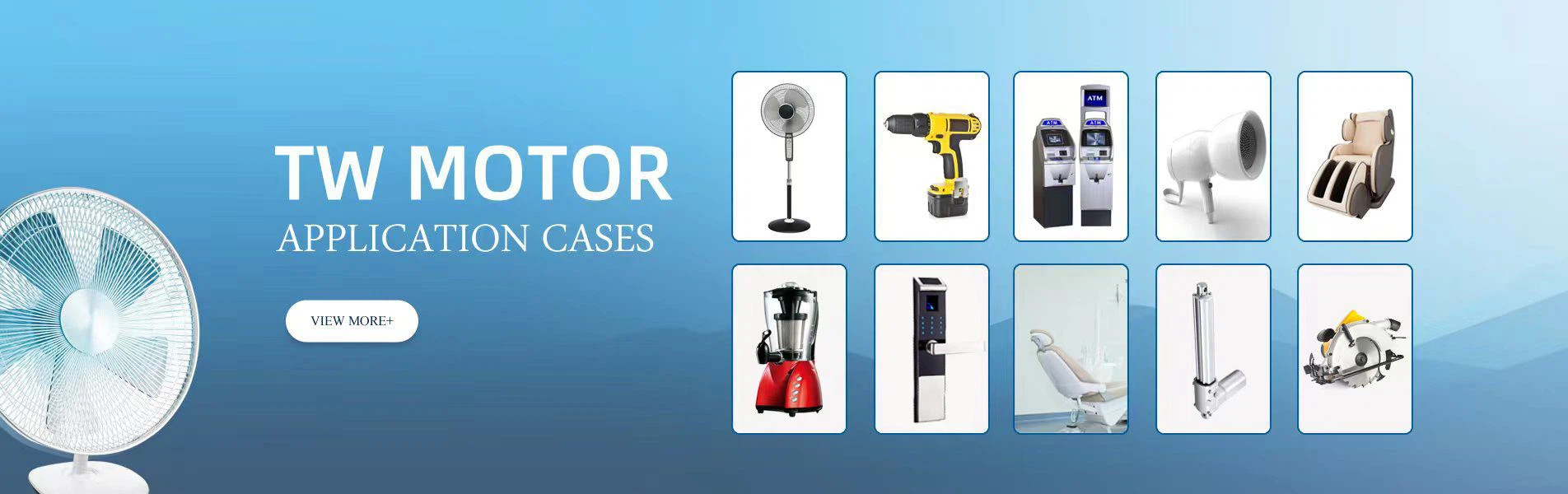
Application of electromagnetic wire in the field of motors and other fields
Electromagnetic wires are widely used in electric motors, electrical equipment, electrical equipment, household appliances, electronics, communications and transportation. They are used in a wide range of applications, ranging from watches (stepping motors) and mobile phones (vibrating motors) to power generation. Stations (generators), substations (transformers), up to space satellites (relay coils), down to deep-sea submarines (propulsion motors), electromagnetic lines are all working.
The automobile industry will become China's new economic growth point, which will bring rapid development of automotive wire and enameled wire. Industrial development will increase the amount of motor used. It is expected that the winding wire will have a steady development at low speed. It should be noted that the conversion of the motor insulation class from B to F will speed up the replacement of the enameled wire. In addition, the improvement of rural living standards and urban construction will drive the further popularization and development of home appliances, and provide a market for the further development of electromagnetic wires and other cable products.
Special magnet wire is a very important direction for the development of the industry in the future. In the newly published Catalogue of Industrial Structure Adjustment Guidance (2011), although wire and cable manufacturing projects are still restricted products, they are used for new energy sources. Except for special wires and cables in the fields of information industry, aerospace, rail transit, and marine engineering. Therefore, the development of special wire and cable is still one of the nationally recognized development directions, such as high voltage, ultra high voltage, ultra high voltage transformer magnet wire, etc., including: high voltage anti-corona (prevent high voltage pulse corona breakdown insulation layer), self Lubrication and friction resistance (high surface strength of insulation layer, high smoothness, static friction coefficient μ<0.04, prevention of insulation damage, easy winding assembly), high groove full rate (increasing the space utilization of transposed conductors, controlling transformer size and weight) Self-adhesive (the insulating layers can be bonded to each other after heating to fix the coil windings). However, domestic manufacturers are still unable to meet the above market demand.
The development and manufacture of electromagnetic wire products from the perspective of insulation systems is another important direction for the future development of the industry. The insulation system of the motor can be divided into four major components: electromagnetic wire, insulating tape, insulating varnish, lead wire, and electromagnetic wire as an important part of the insulation system. It needs to be compatible with other insulating materials to adapt to the motor, especially the large and medium-sized high-voltage motor. The development trend of insulation systems, the development of electromagnetic wire products to meet the needs of the development of motor insulation system. For example, there are products with insulation structure and characteristics suitable for special occasions, including medium and high frequency winding wires, polyethylene insulated nylon sheathed submersible motor windings, etc. The systematic development of the magnet wire and the matching of the insulation system of the overall motor help to improve the compatibility and operational efficiency of the entire system.


