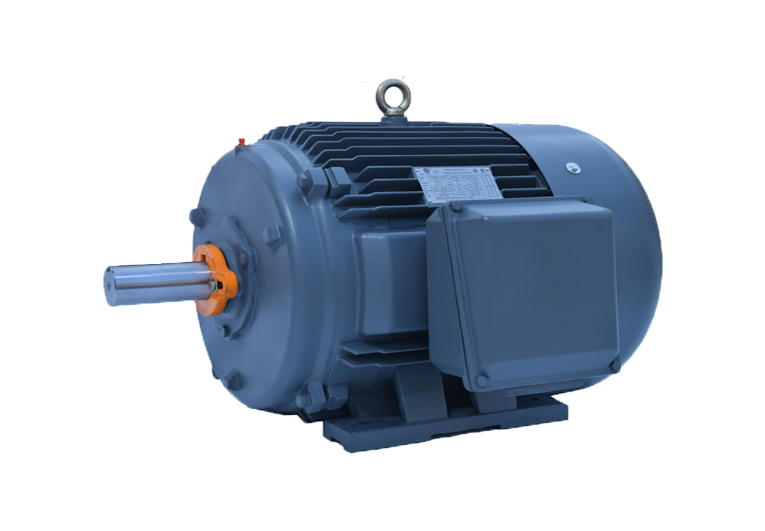
In the pursuit of smaller size and higher power, the speed of the motor has been increasing, from a few thousand revolutions in the early stage to tens or even hundreds of thousands of revolutions, and higher speed improves power density and material utilization. Therefore, high speed is a strong trend. Taking new energy drive as an example, the highest speed of the first generation of Toyota Prius was only 6000 r/min, while the speed of the fourth generation reached 17000 r/min. In this issue, we will take a higher perspective to explore the application scenarios and key technologies behind high-speed motors.
The application prospects of high-speed and ultra-high-speed are broad, but at the same time, they bring extremely high challenges to motors. After merging these problems into similar categories, we found six major categories: heat dissipation, selection, rotor structure, vibration noise, efficient design, and bearings.
In general, high-speed motors are widely used and have high technical challenges. Some technologies may seem far away from us, but from the perspective of development, we can see the evolution of 'shallow high-speed - medium high-speed - ultra high-speed - super high-speed'. Compared with ten years ago, motors with a speed of ten to twenty thousand revolutions per minute have become common. Therefore, high-speedization is a 'long-termism' that will slowly change the industrial pattern. Therefore, whether it is seeking new opportunities in new fields or enhancing the competitiveness of existing products, high-speedization technology is an area worth long-term investment.