

What is the most effective way to switch the brushless DC motor?
A brushless DC motor (or BLDC motor for short) is a motor that uses a DC power supply and is electronically commutated by an external motor controller. Unlike brushed motors, BLDC motors rely on external controllers for commutation. In short, commutation is the process of switching the current in each phase of the motor to produce motion. Brushed motor refers to a motor with a physical brush, which can realize two commutation processes every revolution, and the BLDC motor has no brush, so it gets its name. Due to its design characteristics, brushless motors are capable of implementing any number of commutating pole pairs.
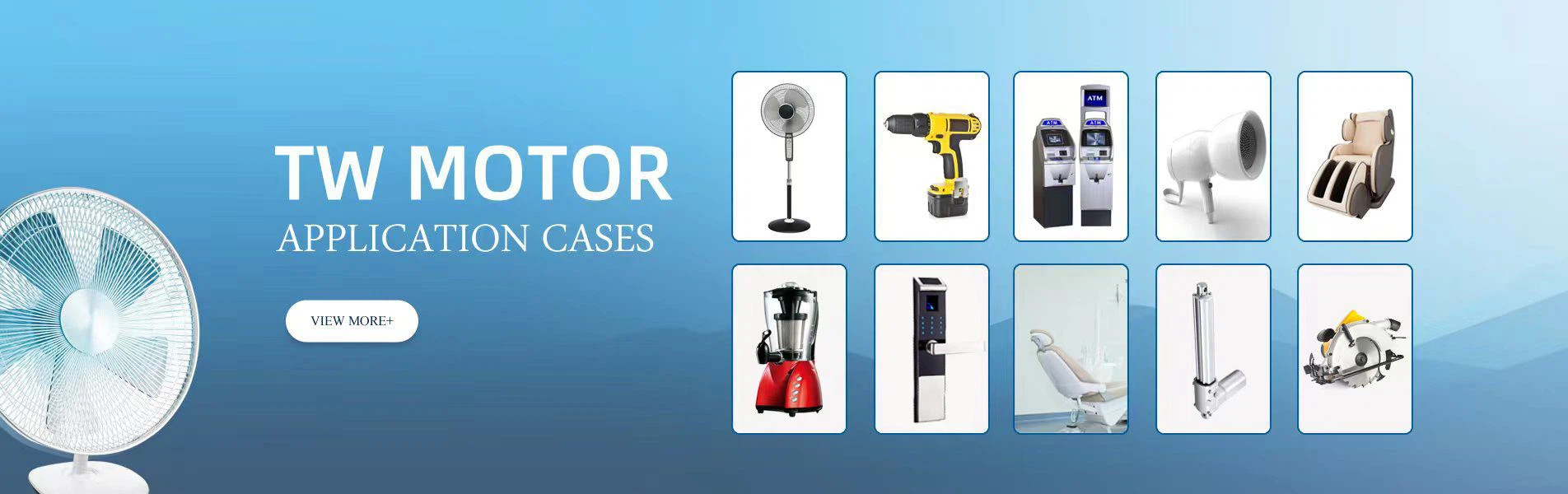
Compared with traditional brush motors, BLDC motors have great advantages. The efficiency of this type of motor is typically increased by 15-20%; there is no physical wear of the brush, which reduces maintenance; a flat torque curve can be obtained at any rated speed. Although the BLDC motor is not a new invention, the widespread adoption has been slow due to the need for complex control and feedback circuits. However, due to the recent development of semiconductor technology, the improvement of permanent magnet quality, and the increasing demand for higher efficiency, BLDC motors have replaced brushed motors in a large number of applications. BLDC motors have found market positioning in many industries, including white goods, automotive, aerospace, consumer, medical, industrial automation equipment and instrumentation.
As the industry moves toward the need to use BLDC motors in more applications, many engineers have to look to the technology. While the basics of motor design still apply, the addition of external control circuitry adds another set of design considerations. Among the many design issues, the most important point is how to get feedback on motor commutation.


