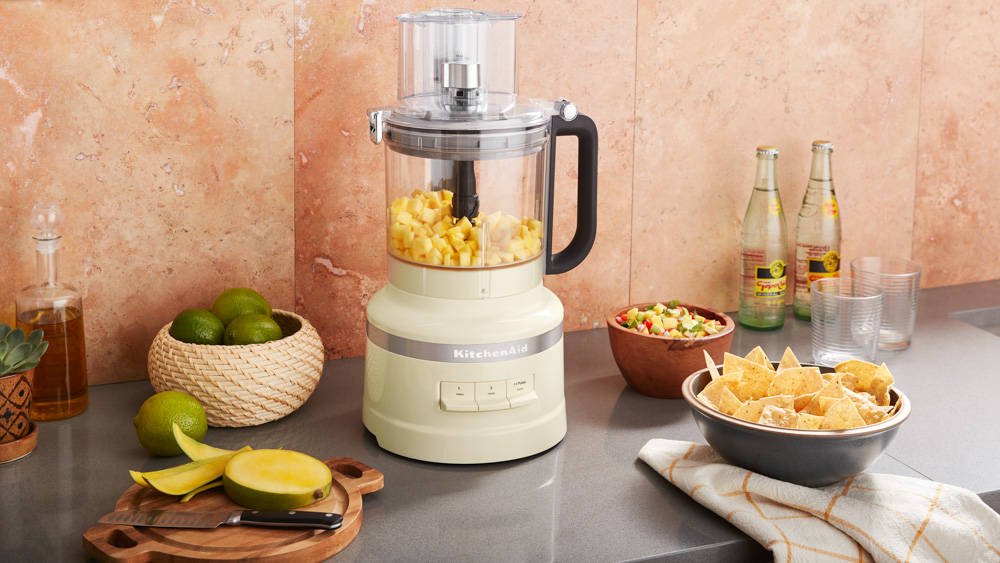
food processors typically use more powerful AC motors. This kind of motor can provide higher power and greater torque to cope with the more diverse functional needs of the food processor, such as chopping, grinding, stirring, etc. Food processors have more complex motor designs, often with multiple speed and power adjustment options to meet different ingredients and processing needs

mixers are usually equipped with DC motors or general-purpose motors. This kind of motor has a simple design and compact structure. It is mainly used to provide rotational force to drive the mixing head or blade to stir and mix ingredients. They are generally less powerful and suitable for everyday use in the average home kitchen

food processor motors typically have longer lifespans and better durability because they need to handle a greater variety of ingredients and a greater variety of tasks, requiring more powerful and reliable motors.
Blenders usually have one blade, tall jars and are typically used for wetter recipes. Food processors, on the other hand, usually have multiple blades and wide work bowls and can usually shred and slice in addition to pureeing.
In general, there are obvious differences in power, structure and function between the motors of blenders and food processors, and the choice of which appliance to use depends on personal needs and usage scenarios.

Blenders have one fixed blade
Traditional blenders have one blade at the bottom of the jar that can't be switched out. This seriously hard-working blade may have multiple points at various angles to help thoroughly blend ingredients. It's perfect for crushing ice for slushies and smoothies, finely pureing even tough and fibrous ingredients, and liquifying foods with ease.
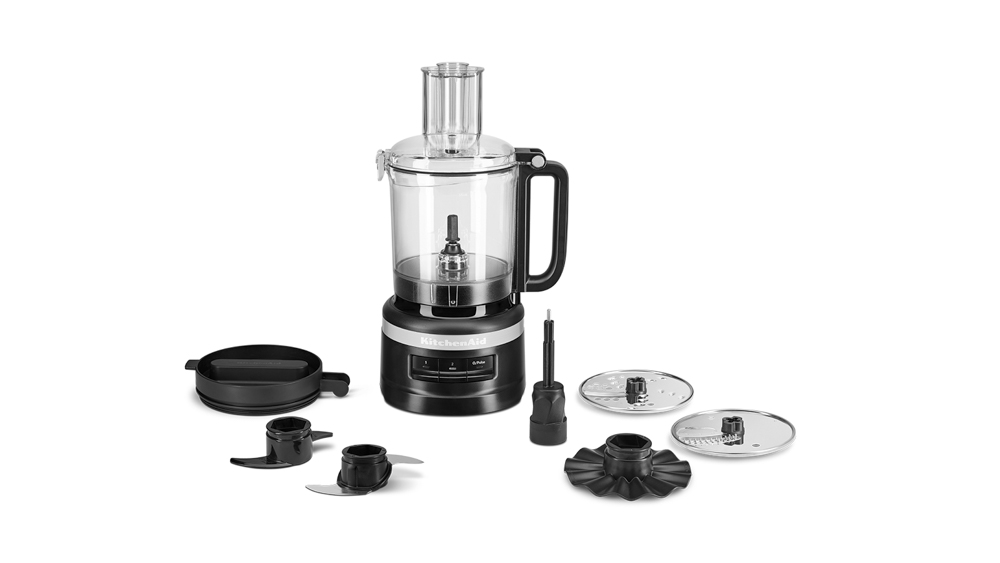
Food processors can have lots of blades
Food processors have several blades or to choose from. With these at your fingertips, you can effortlessly purée, chop, mix, knead, stir and whisk in a flash. Advanced processors like the Food processor take it up a notch with discs to allow you to precisely slice, shred, dice, cut fries and even citrus press too.
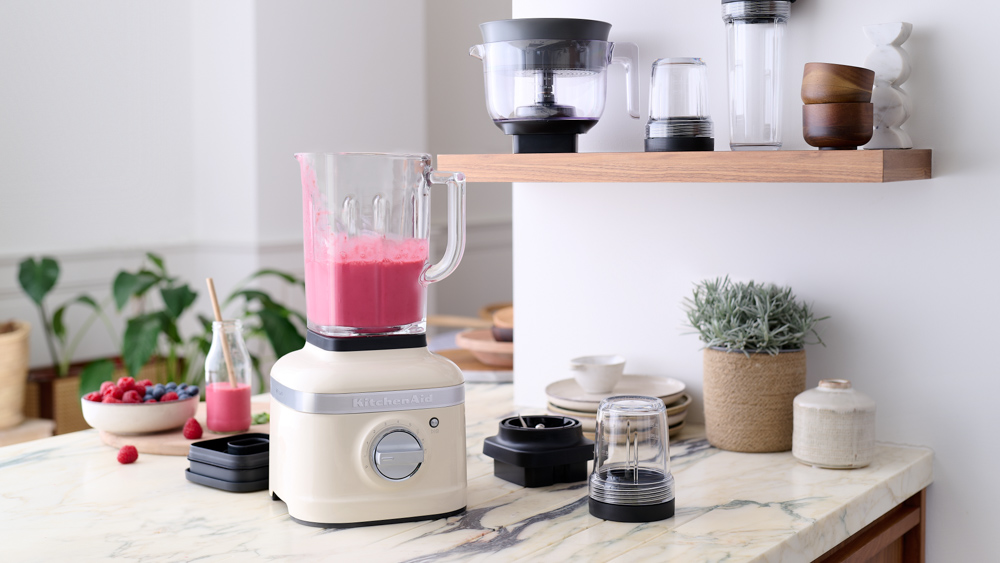
Blenders have tall jars
A blender jar (sometimes called a jug or pitcher) has tall sides to help contain liquid recipes as they blend. The height and shape also helps keep ingredients swooshing around for lovely, even results. The jar usually has a handle and pouring lip or bevelled edges - ideal for neatly transferring liquid ingredients once you've finished. KitchenAid blenders are super robust and have jars made from either BPA-free plastic or hard-wearing glass.
Food processors have wide work bowls
You'll notice that food processors have a broader work bowl that gives the appliance space to process whole or chunky ingredients like sweet potatoes, cucumbers, apples and so on. If you invest in a generously sized food pro, it may have a number of stackable work bowls so that you can batch cook, or scale to suit the job you're taking on. A feed tube on the top is the place to push in ingredients towards the blade, from cheese to meat to courgettes.