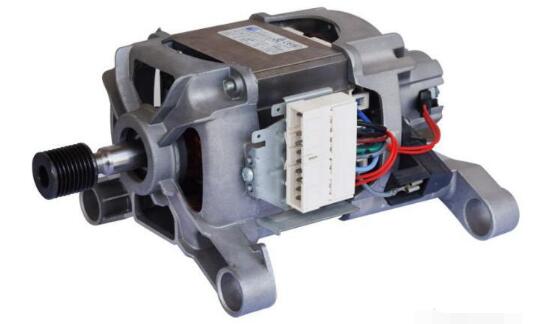
universal motor requirements --- universal motor speed control
Due to the needs of use and the characteristics of the motor performance, the following requirements are also put forward for the design and selection of single-phase series-excited motors.
(1) Applicable operating points, single-phase serial-disconnected motors have soft mechanical characteristics, and the rotational speed changes with load changes. The higher the load, the lower the speed. On the contrary, the Republic of China has a corresponding speed position on a load value, and there is a problem of operating the operating point. In the design and manufacture, it is necessary to ensure that the specified working point is reached to the selected working point. Considering that the higher the speed, the smaller the weight of the motor under the same power, but the high speed must bring higher. Manufacturing requirements. Therefore, the operating point of the motor is generally determined by the use of the required conditions, process conditions, technical possibilities, cost and profit accounting.
(2) Protection against electric shock. Since most of the medium-excited motors are used in power tools and household appliances, and most of these devices are hand-operated, they have specified protective measures against electric shock. The motor also proposes a series of safety protection requirements, especially on the insulation structure, which is much stricter than the motor used in general equipment.
Suppression of radio interference requirements due to the use of single-phase universal motor motors
Throughout every corner, high-speed single-phase series-excited motors are prone to high radio interference power and interference voltage, thus causing radio interference to televisions, satellites, and broadcasts. At present, domestic and foreign countries have put forward requirements for suppressing radio interference to household appliances and power tools. Reasonable motor design and the addition of suppression capacitors and inductors can meet the requirements of suppressing radio interference.