

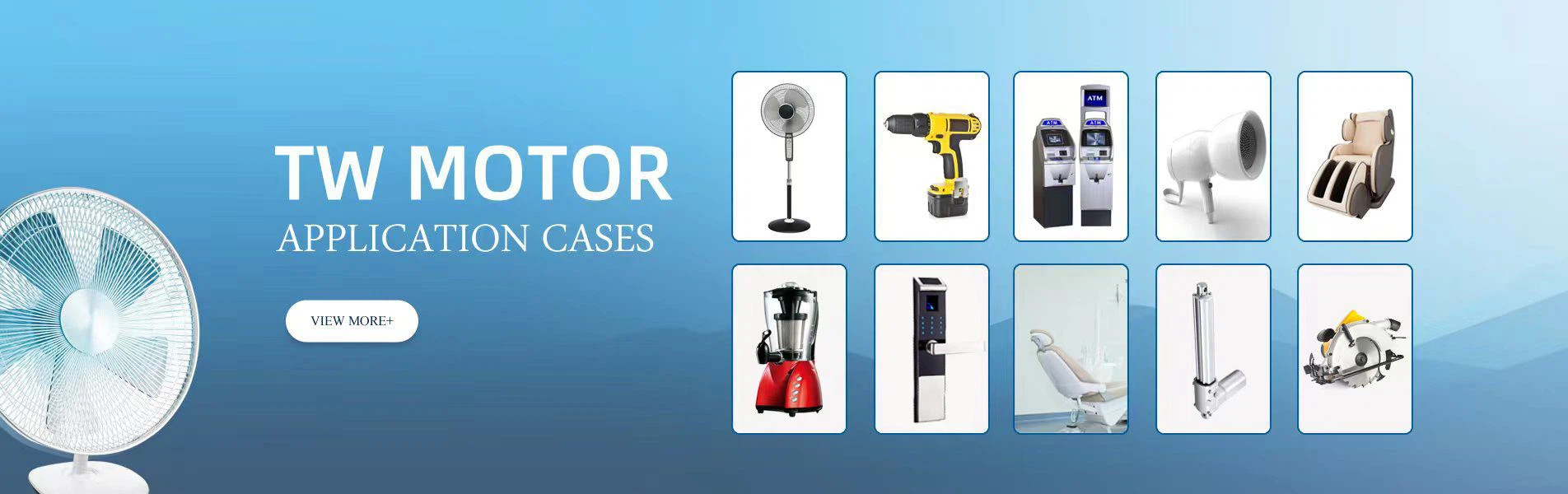
The motor is a key component that converts battery power into mechanical energy and is widely used in electric vehicles, industrial machinery and other fields. The following are some core knowledge points about motors:
Definition and function of motors
The motor is a device that converts battery power into mechanical energy and is widely used in electric vehicles, industrial machinery and other fields.
Basic components of motors
The motor is mainly composed of armature winding, magnetic field and commutator. The armature winding is the core part of the DC motor and consists of a coil wound with copper enameled wire. The magnetic field is generated by permanent magnets or current, and the commutator is responsible for changing the direction of the current in the coil when the motor rotates.
Types of motors
The motor is mainly divided into brushed motors and brushless motors. When the brushed motor is working, the coil and commutator rotate, the magnet and carbon brush do not rotate, and the alternating change of the coil current direction is achieved by the commutator and brushes that rotate with the motor. Because the controller of the brushless motor provides DC power with different current directions to achieve the alternating change of the coil current direction in the motor, there are no brushes and commutators between the rotor and stator of the brushless motor.
Working principle of the motor
The working principle of the motor is based on electromagnetic induction. When the current passes through the armature winding, a magnetic field is generated, which interacts with the magnetic field to generate torque, thereby causing the motor to rotate.
Selection and maintenance of the motor
When selecting a motor, it is necessary to consider factors such as the power, torque, speed of the motor, and the matching of the motor and the power supply. Regular maintenance of the motor, such as cleaning the carbon brushes and checking the commutator, can extend the service life of the motor.


