


Working Principle of BLDC Motor: The working principle of BLDC motors is based on the interaction between the magnetic fields of the stator and the rotor. The stator produces a rotating magnetic field, which interacts with the permanent magnets on the rotor, producing a torque that causes the rotor to rotate.
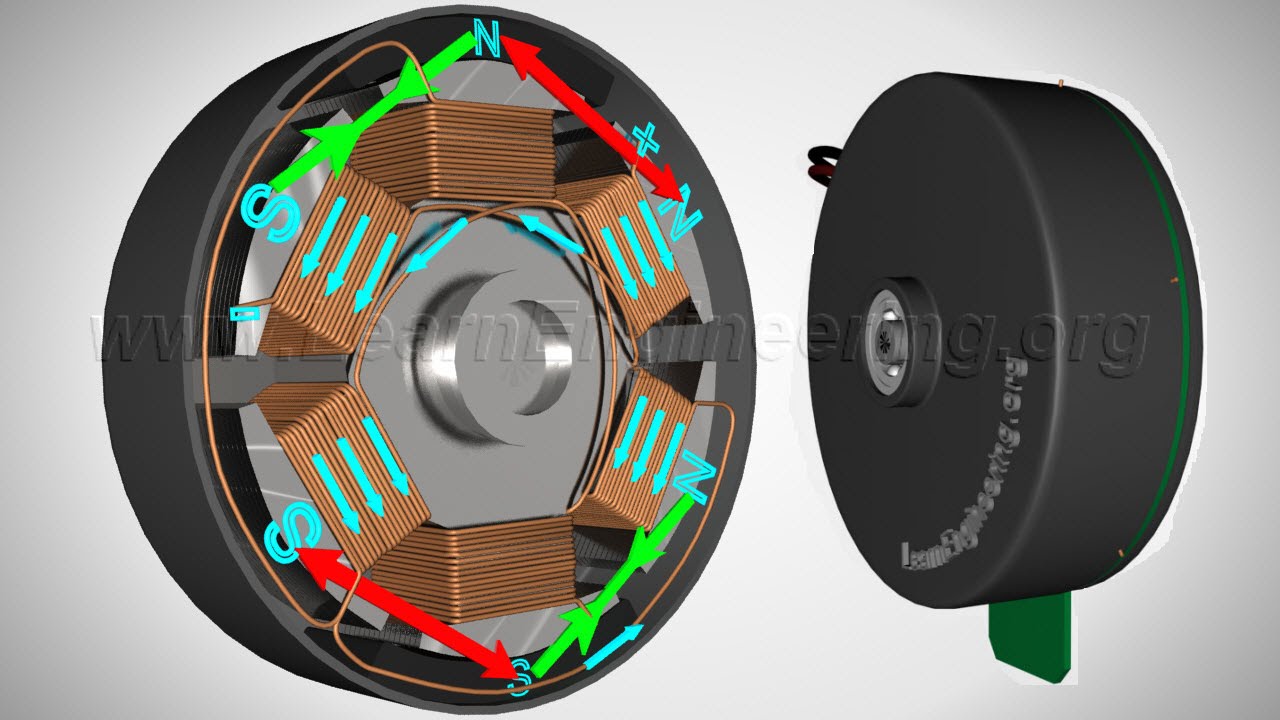
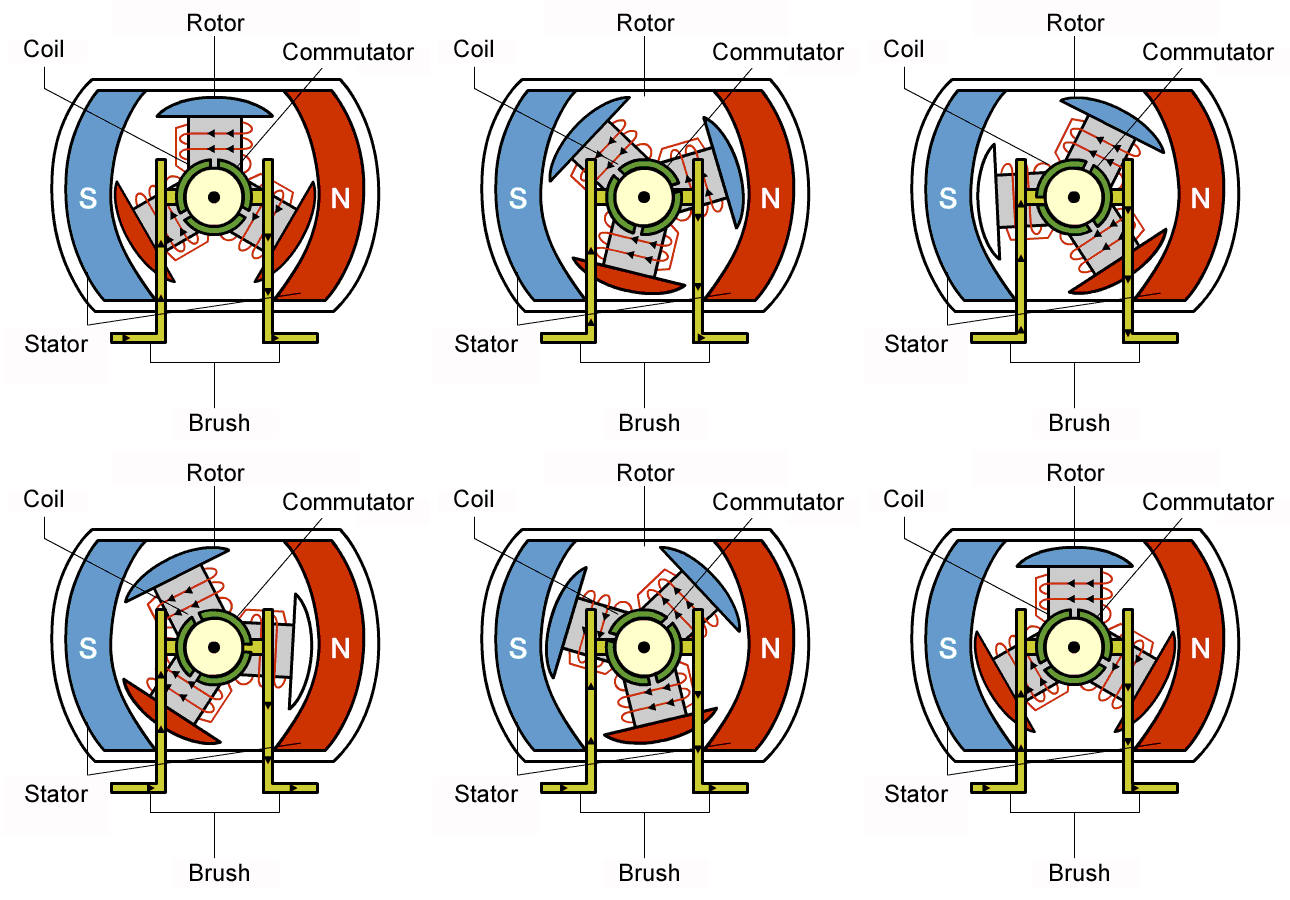
In order for the motor to turn, the current flowing through the motor coils must create a rotating magnetic field. In brushed DC motors, this is done by the mechanical action of the brushes and the commutator. Then how do brushless DC motors, which don't have these parts, generate the rotating magnetic field and turn?
It doesn't-because the coils are not located on the rotor. Instead, the rotor is a permanent magnet; the coils do not rotate, but are instead fixed in place on the stator. Because the coils do not move, there is no need for brushes and a commutator.
Brushless DC motors use solid state switches instead of motors and brushes. A brushless DC motor usually has three windings connected to a solid state switch. Switching the semiconductors on and off in the right order reverses the current flow and creates a rotating magnetic field that turns the motor. Therefore, a motorized beam cutter is required to perform this sequence. The solid state switch can be switched by sensing the direction of the permanent magnet rotor using a magnetic sensor (usually a housing sensor).
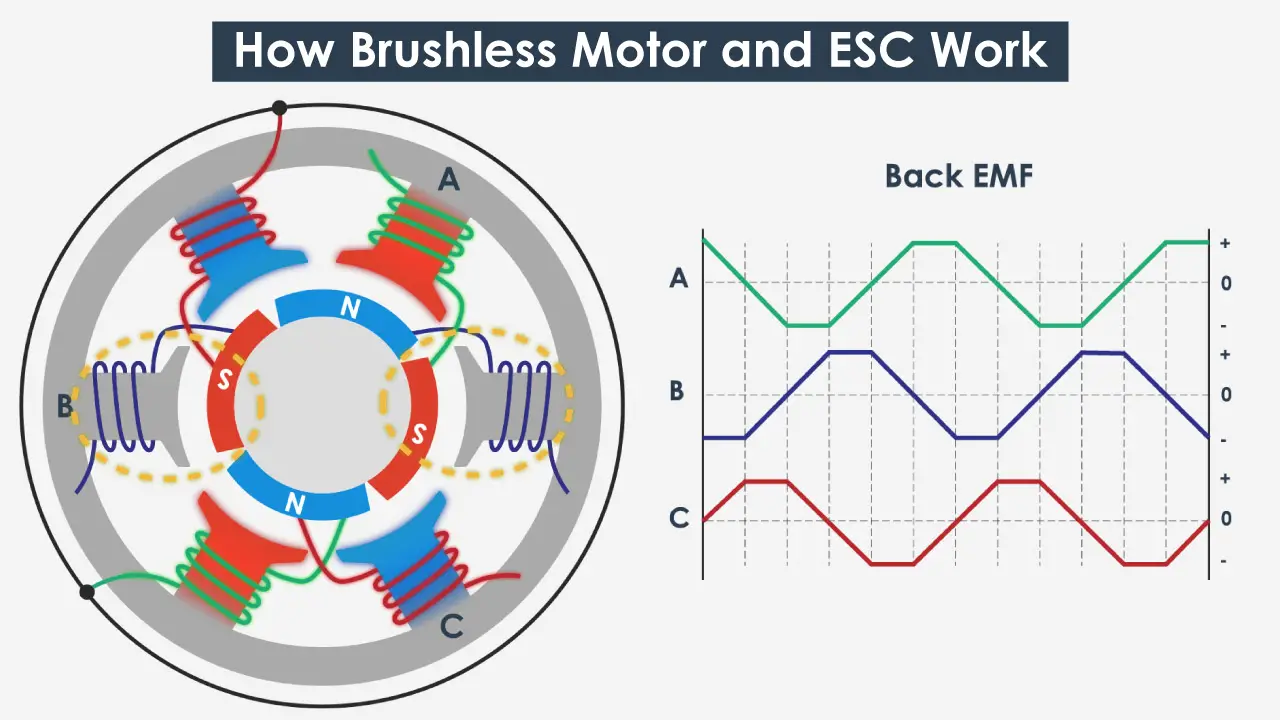
Brushless DC motors generally have three coils, with semiconductor switches connected to each of these. Turning the semiconductor switches on and off in the correct sequence alternates the current flow, which generates the rotating magnetic field that causes the motor to turn.


