

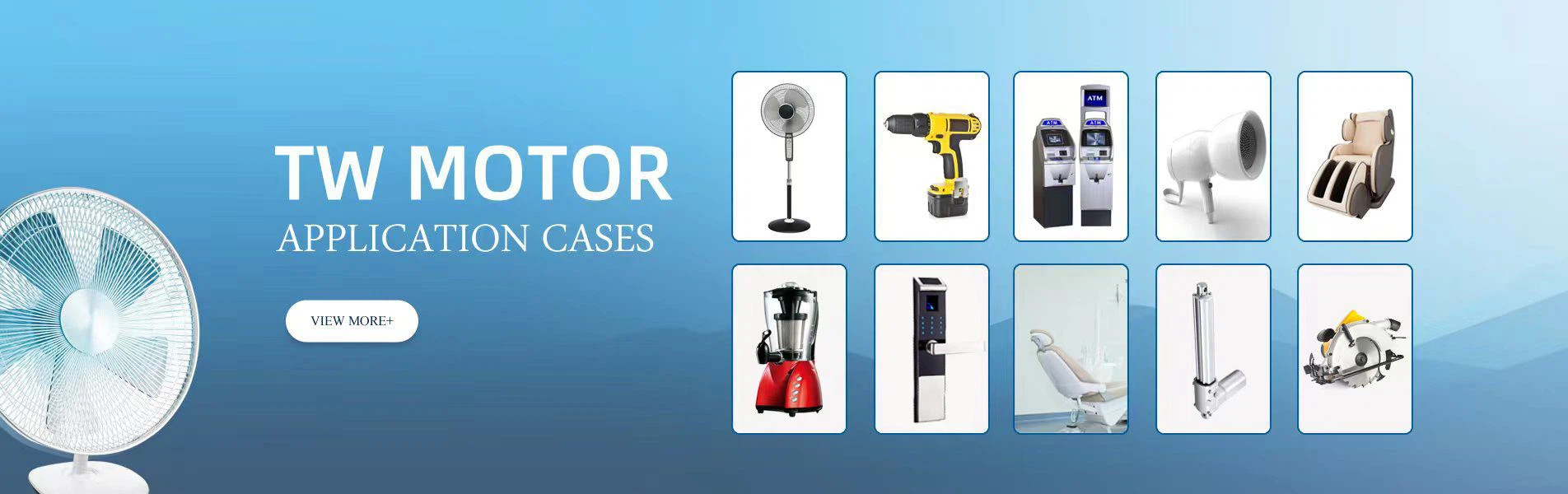
An electric motor is an electrical device that converts electrical energy into mechanical energy and is the most common electrical device. Motors are usually divided into two categories: AC motors and DC motors.
1. AC motor
Ac motor is divided into asynchronous motor and synchronous motor two categories.
1) Asynchronous motor
Asynchronous motor is widely used because of its simple structure, reliable operation, convenient maintenance and high efficiency. However, due to poor speed regulation performance and low power factor, it can not completely replace DC motors and synchronous motors in production.
Ac asynchronous motors are divided into single-phase asynchronous motors and three-phase asynchronous motors. Single-phase asynchronous motor is mostly used in household appliances and automatic devices; Three-phase asynchronous motors are widely used in industrial and agricultural production. There are two types of three-phase asynchronous motor: squirrel cage type and winding type.
2) Synchronous motor
Synchronous motor is suitable for constant speed and high power driving occasions, such as driving large pumps, air compressors, large blowers, etc. Synchronous motor has two types: rotating armature type and rotating pole type.
2. DC motor
Dc motor is based on the principle of electromagnetic induction for electrical energy and mechanical energy conversion equipment, with good starting performance, speed control performance and overload capacity, mainly used in traffic, starting, rolling and automatic control fields. However, due to the shortcomings of complex structure, high manufacturing cost, operation and maintenance workload, the use of DC motor has been limited to some extent. Dc motor is divided into separately excited motor, shunt excited motor, series excited motor, compound motor.


