


Summer nights can be unbearable, and many people have the habit of keeping their electric fans running all night long. Watching the fan tirelessly oscillate back and forth, a question naturally arises: can an electric fan be left on continuously? Will doing so "wear out" the fan?
The short answer: Yes, it can run continuously, but "can" does not mean it is advisable to leave it on mindlessly.
The Motor: The True "Ironclad" Component
The core of an electric fan is either an AC induction motor or a DC brushless motor. These motors are designed with long-term, continuous operation in mind; provided there is adequate heat dissipation, they can theoretically run uninterrupted for 24 hours a day. The ventilation fans and large blowers found in shopping malls, hospitals, and subway stations-which often run non-stop for years-serve as the best proof of this.
Motor heat generation is the primary source of wear and tear. During normal operation, a thermal equilibrium is established between the heat generated by the motor coils and the cooling effect of the airflow created by the fan's rotation. As long as the voltage remains stable and the bearings are well-lubricated, this balance is maintained. Therefore, strictly in terms of whether it *can* keep spinning, continuous operation will not burn out the motor.
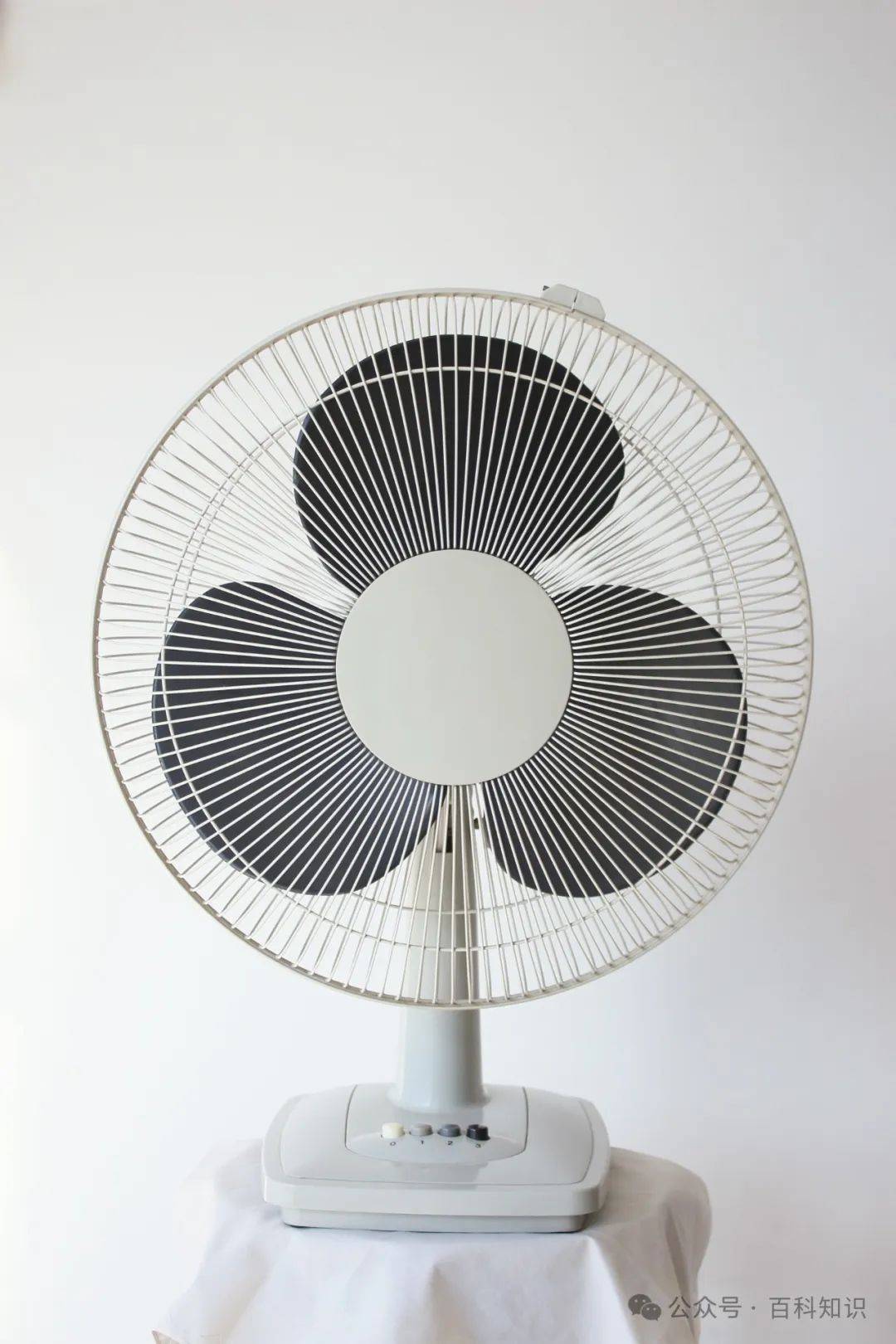
The Components That Actually Suffer "Silent Wear"
While the motor itself is robust, continuous operation does accelerate the aging of certain vulnerable parts:
1. Bearings and Bushings (The primary points of wear)
The vast majority of household desk and pedestal fans use oil-impregnated bearings. These bearings contain internal micropores that store lubricating oil. When the fan runs, the rotating shaft agitates the oil film to provide lubrication; when the fan stops, the oil is reabsorbed via capillary action. With long-term continuous operation, the oil film is constantly agitated, accelerating evaporation and loss. As the lubricant gradually dries up, frictional resistance increases, causing the fan to slow down, become noisier, or even just "hum without spinning"-this is the most common reason fans eventually fail.
2. Starting Capacitor (The "Achilles' heel" of AC fans)
AC fans typically rely on a starting capacitor to provide the necessary phase shift. Capacitors are sensitive to temperature; prolonged exposure to the warm internal environment accelerates the drying out of the internal electrolyte, leading to a drop in capacitance. Once the capacitance degrades sufficiently, the fan may struggle to start, often requiring the blades to be manually spun to get them moving.
3. "Fatigue" of plastic blades and grilles
Fan blades endure constant centrifugal force during prolonged high-speed rotation. While high-quality plastics possess adequate fatigue resistance, blades on inferior fans may develop micro-cracks at the root after extended use, posing a risk of the blades detaching ("flying off") in extreme cases. Additionally, dust accumulation on the grille impairs airflow efficiency, further increasing the load on the motor.


