


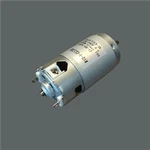


Ceiling Fan Electric Motor
Classification:Induction Motor
Application:Ceiling fan .Etc
Notes: The motors can be designed according to customer requirements
Ceiling Fan Electric Motor
A Ceiling Fan Electric Motor refers to a motor that is mainly used to drive the rotation of a ceiling fan. The ceiling fan is a device installed on the top of the room, which generates wind force by rotation, so that people feel cool and comfortable in summer. Ceiling fan motors work similarly to other types of motors, but have some special design and operating conditions.
The working principle of the Ceiling Fan Electric Motor is based on the principle of electromagnetic induction. When energized, the current creates a magnetic field between the rotor and stator. Since the coils of the rotor are not completely symmetrical to the coils of the stator, the rotor rotates under the influence of the stator's magnetic field. That is, when current passes through the stator coils, it induces an electromagnetic interaction on the rotor, producing a torque that causes the rotor to start spinning. This spinning process continues until the current stops flowing or the torque is balanced by another force.

1. Composition structure
The ceiling fan motor is composed of several main parts, including the motor body, rotor, armature, stator, bearings, connecting parts and protective parts. The motor body is the most important part of the ceiling fan. It is composed of armature, stator, rotor and bearings. The rotor is made up of wires wound around an iron core, where current is passed through the armature to transmit power to the rotor. The stator is the main source of magnetic field for the motor. It contains many coils. When current passes through the coils, it generates a magnetic field, which causes the rotor to rotate. Bearings are one of the core parts of ceiling fan motors. They are like the skeleton of the motor, supporting and protecting the operation of the rotor and stator. In addition, connecting parts and protective parts are also very important. They allow the motor to be connected to other parts and protect the motor from damage. In general, the various components of the ceiling fan motor work together so that the ceiling fan can run smoothly and bring coolness to people.
2. Product Parameter
|
Model |
Rated voltage(v) |
Rated frequency(Hz) |
Rated Power(W) |
Rated current(A) |
Rated speed(r/mm) |
Capacity (uf/450v) |
?Noise |
|
YSY-400 |
220/110 |
50/60 |
16 |
0.18/0.36 |
1150 |
1.2/4 |
42 |
|
YSY-350 |
220/110 |
50/60 |
16 |
0.18/0.36 |
1150 |
1.2/4 |
42 |
|
YSY-300 |
220/110 |
50/60 |
12 |
0.16/0.32 |
1200 |
1.0/3 |
42 |
|
YSY-250
|
220/110 |
50/60 |
8 |
0.14/0.28 |
1300 |
0.8/2.5 |
42 |
Please refer to the attachment for more information.
3. Product Application
Industrial: Widely used in machine tools, pumps, fans, compressors, mixers. Valued for low noise, low vibration, easy maintenance, and variable speed control via frequency conversion.
Automotive: Key drive unit for EVs and hybrids (including brushless versions) due to high efficiency, low noise/vibration, and environmental friendliness.
Household Appliances: Found in washing machines, refrigerators, ACs, vacuum cleaners. Benefits include quiet operation, stability, and variable speed control.
Other Fields: Used in elevators, conveyors, medical equipment, power systems, and ships. Essential for modern industry due to efficiency, reliability, and safety.
4. Advantages (Ceiling Fan Motor)
Easy Installation: Simple DIY setup; minimal wiring required (connect to three motor terminals).
Energy Efficient & Eco-Friendly: Adjustable speed reduces AC dependency. Simple operation produces no harmful emissions.
Low Noise: Very quiet operation, ideal for bedrooms and sleep environments.
Uniform Airflow: Circulates air evenly throughout the room, unlike directional fans.
5. Maintenance (Ceiling Fan)
Regular Cleaning: Clean monthly to remove dust buildup on blades and housing for optimal performance and air quality.
Periodic Inspection: Check electrical/mechanical components at least every six months.
Proper Use: Turn off when not in room or sleeping. Avoid excessive run times to prevent wear.
Timely Replacement: Replace worn parts like blades and bulbs annually.
6. FAQ
Q: MOQ? A: 1000 units. Contact us to order.
Q: Motors in fans? A: Primarily induction motors (asynchronous motors) due to reliability, efficiency, and low cost. DC motors are also used (controlling current for speed).
Q: How does a ceiling fan motor work? A: Converts electrical energy into mechanical energy via electromagnetic force generated between a coil and rotor.
Q: Ceiling fan electricity use? A: AC fans: ~50-60W (high speed). DC fans: ~25-30W (high), super-efficient models: ~2-3W (low). Larger fans/motors use more power; DC is more efficient than AC.
Hot Tags: Ceiling Fan Electric Motor, China, manufacturers, suppliers, factory, wholesale, customized, quotation, discount, price, buy, cheap
Previous
Small Desk Fan MotorYou Might Also Like




Send Inquiry